
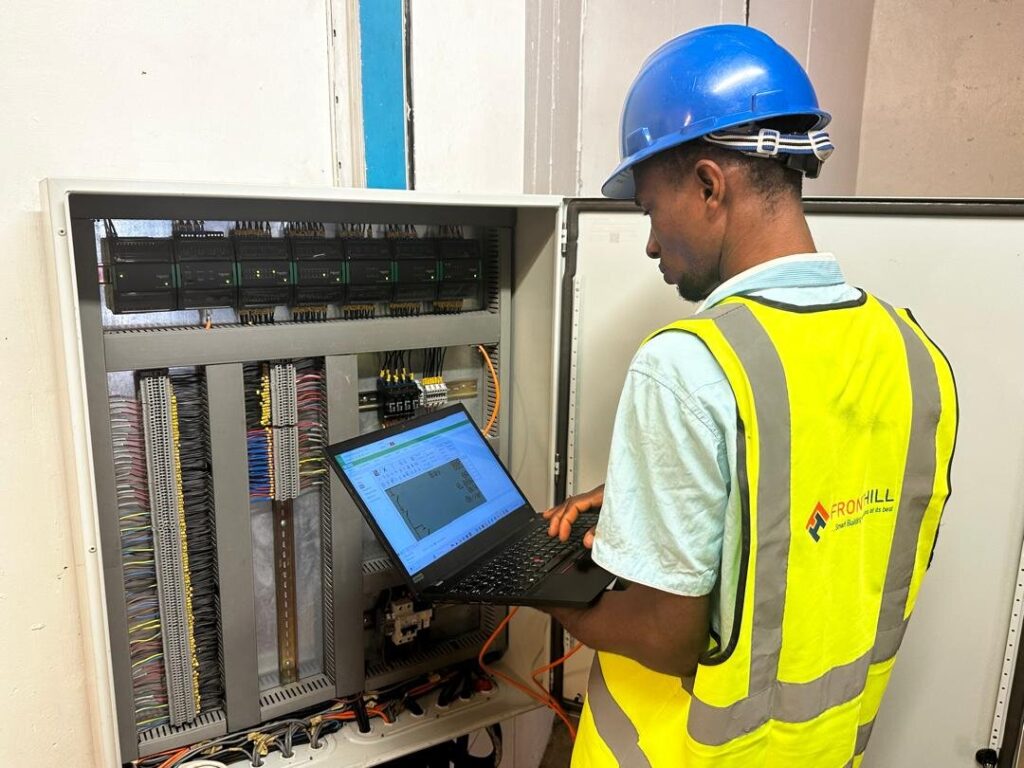
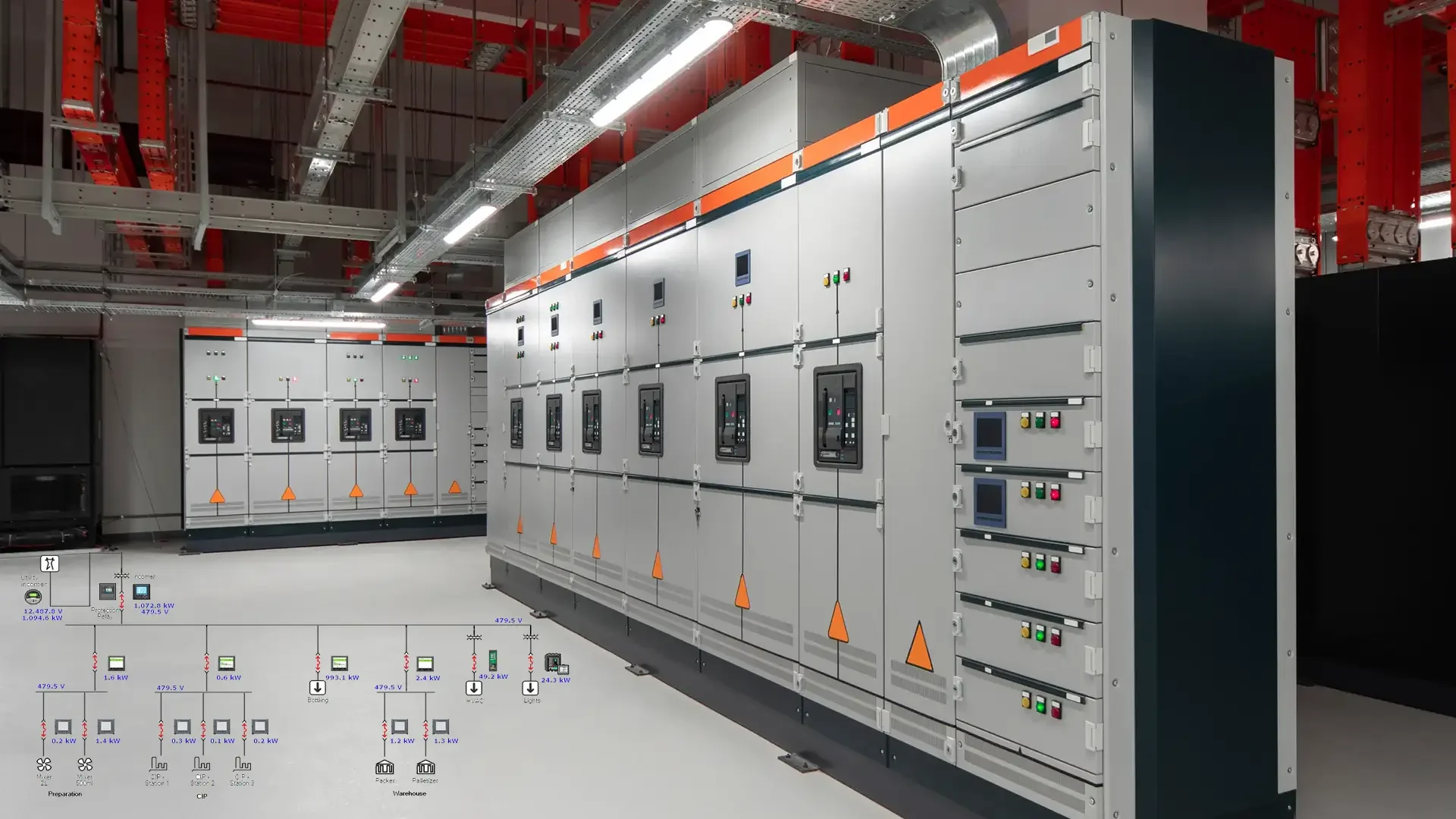
The African building automation landscape is transforming fast. From luxury hotels in Nigeria to industrial parks in Nairobi, Building Management Systems (BMS) are no longer a luxury; they’re becoming an operational necessity.
In this post, we’ll explore the key BMS trends shaping Africa in 2025, why they matter for building owners and operators, and how you can prepare to stay ahead.
1. Energy Efficiency as the Primary ROI Driver
Rising energy costs and unstable supply in many African countries mean energy efficiency is no longer a “nice-to-have.”
Trend Insight:
- Hotels, hospitals, and manufacturing facilities are prioritizing BMS projects that deliver measurable reductions in electricity bills within 12–18 months.
- Demand for HVAC optimization, smart lighting controls, and real-time energy monitoring is spiking in Nigeria, Ghana, and Kenya.
2. Integration with IoT and Smart Devices
The African market is leapfrogging older systems and going straight to IoT-enabled BMS solutions.
Trend Insight:
- Integration with occupancy sensors, smart meters, and AI-driven analytics tools is becoming standard.
- Cross-platform data dashboards are replacing isolated control systems.
Example:
A Lagos-based office complex integrated its BMS with IoT occupancy tracking, leading to 30% lighting energy savings during off-peak hours.
3. Cybersecurity Becomes a Critical Factor
As more BMS platforms connect to the cloud, they’re also becoming a target for cyberattacks.
Trend Insight:
- Data protection laws in countries like South Africa and Nigeria are tightening.
- Facility managers are beginning to request end-to-end encryption, role-based access, and vulnerability audits as part of vendor contracts.
Pro Tip:
When upgrading your BMS, factor in cybersecurity from day one — not as a post-installation add-on.
4. Shift Towards Localised Support & Integration
Historically, many African projects relied on foreign BMS contractors. That’s changing.
Trend Insight:
- Local system integrators trained and certified by global brands (Honeywell, Schneider Electric, Bosch, VingCard) are delivering faster, more cost-effective support.
- This local expertise is shortening project timelines and improving post-installation maintenance.
Example:
In Accra, a new hotel reduced commissioning time by 40% by working with a certified local integrator rather than flying in overseas technicians.
5. Sustainability and ESG Reporting
Global hotel chains, industrial parks, and corporate offices operating in Africa now face ESG (Environmental, Social, and Governance) compliance pressure from investors.
Trend Insight:
- BMS data is increasingly being used to feed sustainability reports.
- Facilities are tracking CO₂ emissions, water usage, and waste reduction alongside energy metrics.
6. Demand for Scalable, Modular Solutions
African markets are diverse — from small guesthouses to massive industrial complexes.
Trend Insight:
- Scalable BMS architectures are winning projects because they allow facilities to start small and expand as budgets grow.
- Modular upgrades (e.g., adding guestroom management to an existing central BMS) are reducing disruption and capital expenditure.
Conclusion
Africa’s BMS market is entering a high-growth phase. Facilities that adopt forward-thinking solutions today will not only cut costs but also improve occupant comfort, meet compliance requirements, and position themselves as leaders in sustainability.
If you’re planning a new project or upgrade, now is the time to act — before rising costs and stricter regulations make the leap unavoidable.